

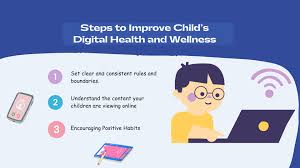
Children today are growing up in a world where screens are part of normal life. Tablets, phones, laptops, smart TVs, games, videos, and learning apps are used in many homes every day. For parents, this can be helpful and stressful at the same time.
Technology can support learning, creativity, and communication. But when screen use becomes too much or too difficult to manage, it can affect sleep, mood, focus, school routines, and family connection. Many parents are not trying to remove screens completely. They simply want their children to build healthier screen habits.
This is where Digital Age Parenting – healthy screen habits app can help. The app gives parents practical support for managing screen time, creating better routines, and helping children use technology in a more balanced way.
Why Healthy Screen Habits Matter
Healthy screen habits are important because children are still learning how to manage their time and emotions. A child may enjoy a video, game, or app without realising how long they have been using it. What starts as ten minutes can quickly turn into an hour.
Screens can also become the easiest option when children are bored, tired, or looking for entertainment. Over time, this can reduce interest in outdoor play, reading, creative activities, and face-to-face family time.
The goal is not to make children afraid of technology. The goal is to help them understand that screens have a place, but they should not control the whole day.
The Common Screen-Time Struggle at Home
Many parents face the same daily challenge. A child asks for more screen time. The parent says no. The child argues, cries, or keeps asking. The parent becomes frustrated, and the same situation repeats the next day.
This can make screen time feel like a daily battle.
Often, the issue is not only the screen itself. The bigger problem is unclear routines. If children do not know when screen time starts, when it ends, and what comes next, they are more likely to resist.
Digital Age Parenting helps parents take a more structured approach. Instead of reacting only when there is a problem, parents can create better habits before conflict begins.
How Digital Age Parenting Supports Parents
Digital Age Parenting is designed for modern parents who want simple, useful guidance. It helps families think about screen time in a practical way, without guilt or pressure.
The app supports parents by encouraging better routines, healthier conversations, and screen-free activities. It gives families a way to manage technology without making it the centre of every argument.
This kind of support is useful because every family is different. Some children use screens for school. Others mainly use them for games or videos. Some families need help with bedtime screen use, while others struggle with weekend gaming or constant device requests.
Digital Age Parenting helps parents start where they are and improve step by step.
Creating Clear Screen-Time Rules
One of the best ways to build healthy screen habits is to set clear and simple rules. Children usually respond better when they know what to expect.
For example, parents can create rules such as:
- No screens during meals
- No devices before bedtime
- Homework before entertainment screen time
- Outdoor play before gaming
- Time limits for videos and games
- Screen-free family time during the day
These rules do not need to be strict or complicated. They just need to be clear and consistent.
When children understand the routine, they are less likely to argue every time screen time ends. Digital Age Parenting can help parents think through these routines in a way that feels realistic for everyday family life.
Making Screen-Time Transitions Easier
A lot of arguments happen when children are asked to stop using a device. This is because screens are engaging, and stopping suddenly can feel frustrating for a child.
Parents can make this easier by setting expectations before screen time starts. For example, they can say, “You can watch one episode,” or “You can play for 30 minutes.” A short warning before time ends can also help, such as, “You have five minutes left.”
It also helps to give children a next activity. Instead of only saying, “Turn it off,” parents can say, “After this, we will have dinner,” or “After this, let’s read together.”
These small changes can reduce stress and make transitions smoother.
Talking to Kids About Screens
Healthy screen habits are easier to build when children understand why limits exist. Parents can explain screen-time rules in simple language instead of only enforcing them.
For example, a parent might say, “We stop using screens before bed because your brain needs time to relax.” This helps children connect the rule with a real reason.
Parents can also ask gentle questions, such as:
What do you like about this game or video?
This helps parents understand what the child enjoys.
How do you feel after using screens for a long time?
This helps children notice their own mood and energy.
What else would you like to do today?
This encourages children to think beyond devices.
Digital Age Parenting supports this connection-first approach. It helps parents guide children through conversation, not just control.
Encouraging Screen-Free Activities
Reducing screen time becomes easier when children have enjoyable alternatives. If a child is told to stop using a device but has nothing else to do, they may feel bored or upset.
Screen-free activities can be simple. Families can try drawing, reading, cooking together, playing outside, doing puzzles, building with toys, playing board games, or taking a walk.
The aim is not to fill every moment with planned activities. Children also need free time. But offering good alternatives helps them understand that fun does not only come from screens.
Digital Age Parenting can help parents bring more of these offline moments into daily routines.
Building Better Family Connection
Screen-time habits are closely connected to family routines. When families spend more time talking, playing, eating together, or doing simple activities, children may feel less dependent on screens for comfort and entertainment.
Family connection does not require big plans. A short conversation at dinner, a walk after school, a bedtime story, or a few minutes of focused attention can make a difference.
When children feel connected, they are often more open to limits. They may still enjoy screens, but they are less likely to see them as their only source of fun.
Digital Age Parenting encourages this balanced approach by helping parents focus on both screen limits and real-life connection.
Supporting Parents Without Guilt
Many parents feel guilty about screen time. They may feel they allowed too much device use in the past or that they should have created rules earlier. But guilt does not help families improve.
What parents need is support and direction.
Digital Age Parenting helps parents take small, practical steps toward better habits. It does not expect families to be perfect. Even one change, such as a screen-free meal or a calmer bedtime routine, can improve the home environment over time.
Final Thoughts
Screens are now part of childhood, but they still need healthy boundaries. Children need guidance to learn when technology is useful and when it is time to step away.
Digital Age Parenting helps parents build healthy screen habits for kids through clear routines, better conversations, screen-free activities, and stronger family connection.
For families who want less stress around devices and more balance at home, Digital Age Parenting can be a helpful tool for modern parenting.