

ADHD plays a significant role in shaping a child’s development and social interactions. While it can present challenges, understanding its impact helps parents and educators provide better support.
ADHD and Child Development
ADHD affects several areas of development:
Cognitive Development
Children with ADHD may:
- Struggle with attention
- Have difficulty processing information
- Experience challenges with memory
Emotional Development
They may:
- Experience frequent mood changes
- Have difficulty managing emotions
- Feel frustration easily
Behavioral Development
Impulsivity and hyperactivity can affect behavior patterns and decision-making.
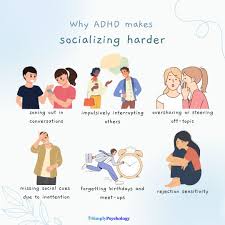
Social Challenges of ADHD
Children with ADHD often face difficulties in social settings:
- Interrupting conversations
- Difficulty waiting their turn
- Misreading social cues
- Struggling to maintain friendships
These challenges can lead to feelings of isolation.
Impact on Self-Esteem
Repeated challenges may affect a child’s confidence.
- Feeling different from peers
- Experiencing criticism
- Struggling academically
Building self-esteem is crucial for overall well-being.
Long-Term Effects
Without proper support, ADHD can impact:
- Academic success
- Career development
- Relationships
Early intervention reduces these risks.
Strategies to Improve Social Skills
Teach Communication Skills
Encourage children to:
- Listen actively
- Take turns in conversations
- Express feelings appropriately
Role-Playing Scenarios
Practicing social situations helps children learn appropriate responses.
Encourage Group Activities
Team sports or group projects improve social interaction.
Supporting Emotional Development
Parents can help by:
- Encouraging open communication
- Teaching coping strategies
- Providing reassurance
Emotional support helps children manage challenges.
Role of Parents and Educators
A combined effort ensures consistent support.
- Parents provide emotional guidance
- Teachers create structured environments
- Both work together to track progress
Focusing on Strengths
Children with ADHD often have strengths such as:
- Creativity
- Energy
- Enthusiasm
Encouraging these strengths boosts confidence.
Final Thoughts
ADHD can influence a child’s development and social skills, but it does not limit their potential. With proper understanding and support, children can overcome challenges and build meaningful relationships. Early intervention and consistent guidance are key to helping children with ADHD thrive.