

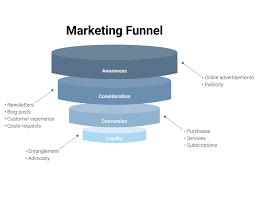
The jewelry industry has always relied on emotion, symbolism, and trust. Whether customers are purchasing timeless keepsakes, sentimental gifts, or pieces tied to major life events, their decisions are rarely impulsive. In the digital era, however, the path to purchase has changed dramatically. Consumers no longer begin their buying journey in physical stores; they begin online, through search engines, social media feeds, product reviews, and curated visual experiences.
As consumer behavior evolves, jewelry businesses must adapt their digital marketing strategies to remain visible, credible, and competitive. Today’s successful online jewelry retailers are not simply selling products; they are building narratives, creating personalized experiences, and nurturing relationships long before a transaction occurs.
This transformation has made digital marketing one of the most powerful growth drivers in the jewelry e-commerce sector.
The Shift From Traditional Retail to Digital Discovery
Historically, jewelry purchases depended heavily on in-person browsing. Buyers wanted to inspect quality, compare styles, and seek reassurance before making significant purchases. But modern consumers have grown increasingly comfortable researching and purchasing valuable items online, provided the digital experience inspires confidence.
This shift has placed enormous pressure on jewelry businesses to create compelling online ecosystems where discovery feels seamless. Search engine visibility, responsive website design, educational content, and mobile optimization are now fundamental expectations rather than optional enhancements.
When a shopper searches for engagement rings, for example, they expect more than product listings. They seek buying guides, style comparisons, diamond education, customer reviews, and trustworthy information that reduces uncertainty.
Digital marketing bridges that trust gap by turning websites into informative and emotionally resonant destinations.
Search Engine Optimization as the Foundation of Visibility
Search engine optimization (SEO) remains one of the most essential pillars of jewelry e-commerce marketing. Because jewelry purchases often begin with research-heavy search behavior, ranking well in organic search results directly impacts traffic quality and conversion potential.
Unlike impulse-driven retail categories, jewelry shoppers spend time evaluating specifications, comparing price points, and exploring meaning behind products. This creates opportunities for brands to capture traffic through informational and commercial-intent keywords alike.
Effective SEO strategies in jewelry include:
- Optimizing category pages with descriptive metadata
- Publishing educational blog content around gemstones, metals, sizing, and care
- Creating evergreen guides for seasonal and milestone-based purchases
- Improving site speed and mobile usability
- Structuring internal links to support navigation and crawlability
High-performing jewelry websites understand that SEO is not merely about attracting visitors it is about attracting visitors with intent.
Content Marketing Creates Emotional Connection
Jewelry is deeply tied to human emotion. A necklace may commemorate a memory, a bracelet may symbolize friendship, and a ring may represent lifelong commitment. Because of this emotional dimension, content marketing plays an unusually influential role in the jewelry sector.
Rather than focusing solely on product features, effective jewelry content tells stories that help customers imagine meaning behind each purchase.
Examples of strong jewelry content marketing include:
- Proposal guides and wedding inspiration articles
- Anniversary gift recommendation lists
- Gemstone symbolism explainers
- Jewelry care tutorials
- Trend forecasting and style advice
This storytelling approach transforms transactional browsing into emotional engagement. It gives consumers reasons to linger longer, trust more deeply, and return repeatedly.
Visual Platforms Dominate Jewelry Consumer Attention
Jewelry is inherently visual, making image-driven platforms central to digital marketing success. Social media channels like Instagram, Pinterest, and short-form video platforms have become powerful discovery engines where aesthetics drive engagement.
Consumers increasingly use these platforms as visual search tools. They save inspiration boards, compare styles, and identify trends before ever visiting a website.
Successful jewelry marketers leverage this by investing in:
- High-resolution product photography
- Lifestyle imagery showing jewelry in real-world settings
- Short videos demonstrating sparkle, movement, and scale
- User-generated content from real customers
- Influencer collaborations that provide social proof
Visual storytelling humanizes products and reduces hesitation in online purchases where tactile experience is absent.
Personalization Is Becoming a Competitive Necessity
Modern consumers expect personalized shopping experiences, especially in emotionally significant categories like jewelry. Generic messaging no longer performs as effectively as tailored recommendations based on browsing history, purchase intent, and customer preferences.
Personalization in jewelry marketing may include:
- Product suggestions based on viewed categories
- Occasion-specific email campaigns
- Customized retargeting ads
- Reminder emails tied to anniversaries or birthdays
- Dynamic homepage content reflecting user behavior
These strategies improve relevance while making customers feel understood rather than marketed to.
Trust Signals Are Essential in High-Value Purchases
Unlike low-risk consumer goods, jewelry purchases often involve substantial financial and emotional investment. Buyers need reassurance before committing online.
Digital marketing must therefore emphasize trust-building elements at every touchpoint, including:
- Transparent return policies
- Verified customer reviews
- Detailed certification information
- Clear sizing guidance
- Secure payment indicators
Trust is not created through advertising claims alone. It is built through consistency, clarity, and credibility across every digital interaction.
For collectible accessories like Pandora Charms, trust becomes even more important when customers are building long-term collections and expect authenticity and continuity.
Email Marketing Still Delivers High Conversion Value
Despite the rise of newer channels, email marketing remains one of the highest-performing tools in jewelry e-commerce. Because jewelry buying cycles are often longer and more deliberate, email provides a direct way to nurture prospects over time.
Well-designed jewelry email campaigns may include:
- Abandoned cart reminders
- Personalized product recommendations
- Seasonal gift guides
- New collection previews
- Milestone-triggered promotional sequences
Email works especially well because it allows marketers to combine emotion, urgency, and personalization in one controlled channel.
The Role of Reviews and Social Proof in Conversion
Online jewelry shoppers often rely heavily on peer validation before making purchase decisions. Reviews serve as digital word-of-mouth and help compensate for the inability to inspect products physically.
Social proof can take many forms:
- Customer testimonials with photos
- Star ratings on product pages
- Video reviews and unboxings
- Influencer endorsements
- Real-life styling examples shared by buyers
These signals reduce perceived risk and increase buyer confidence, especially among first-time customers.
Mobile Commerce Is Defining Consumer Expectations
A large share of jewelry browsing now occurs on mobile devices. Consumers compare styles during commutes, save favorites during leisure browsing, and complete purchases from phones more often than ever.
Mobile-first optimization now requires:
- Fast-loading pages
- Thumb-friendly navigation
- Simple checkout processes
- Mobile-responsive imagery
- Streamlined product filtering
A poor mobile experience directly translates into abandoned opportunities, regardless of product quality.
Data Analytics Drives Smarter Marketing Decisions
Modern digital marketing is increasingly data-driven. Jewelry businesses that analyze customer behavior can make better decisions about messaging, inventory positioning, and campaign timing.
Important performance indicators include:
- Conversion rates by traffic source
- Bounce rates on category pages
- Email open and click-through rates
- Cart abandonment percentages
- Repeat purchase frequency
Analytics allow marketers to refine campaigns continuously rather than relying on assumptions.
The Future of Jewelry Digital Marketing
As technology evolves, jewelry marketing will become even more immersive. Augmented reality try-ons, AI-driven product recommendations, predictive personalization, and virtual consultations are already shaping the next phase of online retail.
Consumers will increasingly expect interactive experiences that replicate in-store confidence digitally. Brands that embrace innovation while preserving emotional authenticity will remain strongest in this competitive space.
The future belongs to jewelry retailers that understand a crucial truth: digital marketing is no longer separate from the customer experience, it is the customer experience.
Conclusion
The online jewelry market is more competitive than ever, but also richer with opportunity. Digital marketing has transformed how consumers discover, evaluate, and purchase jewelry, making visibility, trust, personalization, and storytelling indispensable components of success.
Businesses that adapt to this evolving landscape are not merely increasing sales, they are building lasting emotional relationships with their audiences. In an industry where sentiment matters as much as style, that relationship is the most valuable asset of all.