

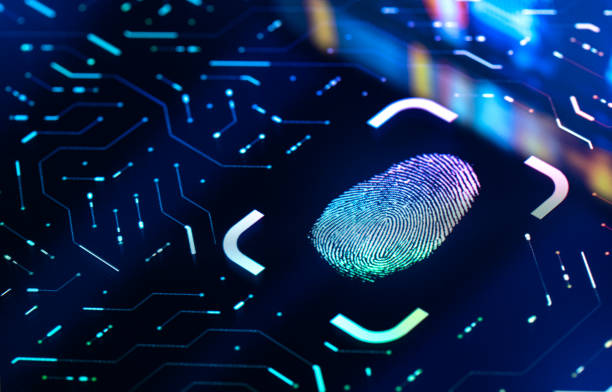
In the rapidly evolving world of digital marketing, businesses are constantly seeking ways to build trust, improve customer experience, and ensure security. With increasing concerns about online fraud, identity theft, and data breaches, traditional methods of authentication such as passwords and OTPs, are proving insufficient. This has led to the rise of biometric verification—a technology that identifies individuals based on unique biological traits such as fingerprints, facial recognition, voice patterns, or iris scans. Today, biometric verification is becoming an essential tool for marketers, helping them balance personalization, convenience, and security.
The Digital Marketing Challenge: Trust and Security
Digital marketing relies heavily on collecting and analyzing user data to deliver personalized experiences. From email campaigns and targeted ads to e-commerce platforms and loyalty programs, marketers use customer data to understand preferences, habits, and buying behavior. However, the more data businesses collect, the higher the risk of unauthorized access. Cybersecurity threats are growing, and consumers are increasingly wary of sharing personal information online.
In this context, biometric verification provides a more secure and reliable method of confirming user identity. Unlike passwords, which can be stolen, guessed, or reused across multiple platforms, biometric traits are unique to each individual and extremely difficult to replicate. By integrating biometric verification into digital marketing platforms, businesses can reduce fraud and increase customer confidence while maintaining smooth, seamless experiences.
Enhancing Personalized Marketing with Biometric Verification
One of the key trends in digital marketing is personalization. Customers today expect brands to deliver relevant content, offers, and product recommendations based on their behavior and preferences. Biometric verification can play a crucial role in this process by securely linking user accounts to verified identities.
For instance, when an e-commerce platform uses fingerprint or facial recognition to authenticate a user, it ensures that all collected data—purchase history, browsing patterns, and saved preferences—actually belongs to the real customer. This accuracy allows marketers to craft truly personalized campaigns without the risk of targeting the wrong individual. As a result, businesses can enhance engagement, boost conversion rates, and build long-term loyalty.
Streamlining Customer Experience
In addition to security, customer convenience is a major factor driving the adoption of biometric verification in digital marketing. Traditional authentication methods such as passwords or multi-step verifications can be time-consuming and frustrating. By contrast, biometric authentication is quick and intuitive, allowing users to access accounts or complete transactions with a simple fingerprint scan or face recognition.
This seamless experience not only improves user satisfaction but also reduces abandoned sessions and cart drop-offs. For digital marketers, this translates into higher engagement rates and more opportunities to influence purchasing decisions. In competitive industries, the ability to provide fast, secure, and hassle-free access can make a significant difference in customer retention and brand perception.
Preventing Fraud and Building Consumer Trust
Fraud prevention is another major benefit of biometric verification in digital marketing. Fake accounts, identity theft, and fraudulent transactions are ongoing challenges for online businesses. By requiring biometric verification for critical actions such as account creation, login, or high-value purchases, companies can ensure that only legitimate users access their platforms.
This increased security helps brands build trust with consumers. When customers feel confident that their personal data is protected, they are more likely to engage with digital campaigns, provide accurate information, and make repeat purchases. In the long term, a reputation for strong security can become a competitive advantage, especially in sectors like e-commerce, finance, and healthcare.
Integration with Emerging Marketing Technologies
Biometric verification also complements other emerging digital marketing technologies. For example, AI-powered marketing platforms can combine biometric authentication with behavior tracking to provide highly accurate insights into customer preferences. Marketers can use this data to tailor messaging, improve targeting, and optimize campaigns for maximum ROI.
Moreover, biometric verification aligns with the rise of mobile marketing. Many mobile apps and payment solutions now incorporate fingerprint or facial recognition, providing marketers with verified and secure channels to reach users. This integration ensures that mobile campaigns are not only effective but also safe, reinforcing brand credibility and enhancing overall marketing performance.
Regulatory Compliance and Data Privacy
As governments around the world implement stricter data privacy regulations, companies are under increasing pressure to protect customer information. Biometric verification helps businesses comply with these regulations by providing secure and auditable methods for managing sensitive data. By ensuring that only authenticated users have access to their accounts, companies can reduce the risk of breaches and avoid penalties associated with non-compliance.
For marketers, this is particularly important because trust and transparency are central to modern marketing. Consumers are more likely to engage with brands that prioritize their privacy and security, making biometric verification a key tool for fostering long-term relationships.
Conclusion
In 2026, digital marketing is no longer just about reaching audiences—it is about doing so securely, accurately, and personally. Biometric verification is becoming an essential tool that helps businesses protect customer data, streamline experiences, and deliver personalized marketing campaigns with confidence. From preventing fraud and building trust to enhancing personalization and complying with privacy regulations, the benefits of biometric authentication are clear.
Companies that integrate biometric verification into their digital marketing strategies are not only safeguarding their users but also positioning themselves as forward-thinking, trustworthy brands. As technology continues to advance, biometric verification is set to become a standard component of effective digital marketing, shaping the way businesses interact with their audiences for years to come.